





How Geotargeting Uses Phone Numbers — and Why It Matters More Than You Think
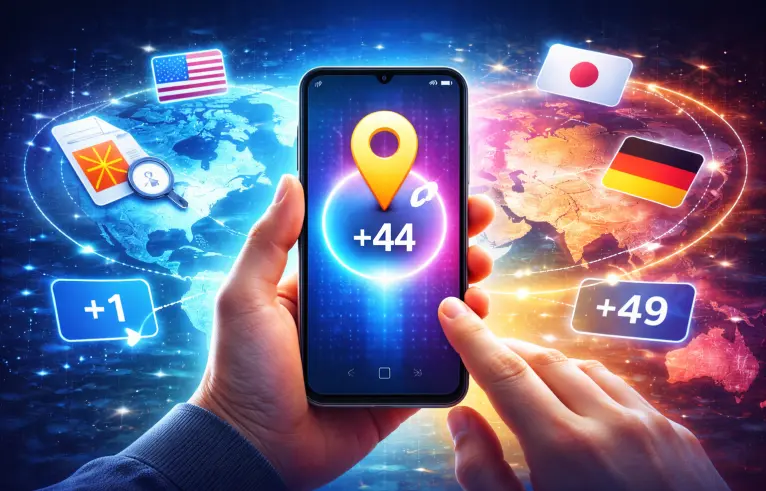
Geotargeting isn’t just about IP addresses anymore. These days, your phone number quietly tells online services where you’re “from,” whether you like it or not. One wrong country code — and suddenly registration fails, features disappear, or accounts get flagged without explanation.
Most users only notice geotargeting when something breaks. A service refuses to send an SMS. A signup form insists on a local number. Or an account behaves differently depending on location. Understanding how phone numbers fit into geotargeting helps avoid these issues — and choose smarter ways to register online.
One practical option is using virtual phone numbers from Grizzly SMS. They allow you to register accounts, receive SMS verification codes, and keep your personal number private. With affordable pricing, a wide range of countries and services, anonymous payment options, and responsive support, virtual numbers turn geotargeting from an obstacle into a controllable variable.
How Phone Numbers Are Used in Geotargeting
Phone numbers aren’t just contact details — they’re location markers. The country code alone often determines how a service treats a new user.
Platforms may use phone numbers to:
- confirm regional eligibility
- apply country-specific rules or pricing
- prevent cross-border registrations
- detect unusual account behavior
Even if your IP address looks fine, a mismatched phone number can trigger restrictions behind the scenes.
Why Registrations Fail Because of Phone-Based Location Checks
Geotargeting problems often appear without clear explanations. The form simply refuses to proceed.
Common reasons include:
- services accepting only local phone numbers
- blocked country codes during verification
- mismatches between IP location and phone region
- higher fraud filtering for certain regions
This is especially noticeable on global platforms that quietly enforce regional policies while advertising worldwide access.
When Using Your Real Phone Number Causes More Problems Than It Solves
Using a personal phone number seems convenient — until it isn’t. Once tied to a region, it limits flexibility.
Typical downsides:
- restricted access to region-specific features
- difficulty creating test or secondary accounts
- exposure through data leaks
- linking multiple accounts to one identity
For users who work with international services, travel frequently, or manage multiple projects, this quickly becomes inconvenient.
How Virtual Phone Numbers Help with Geotargeting Issues
Virtual numbers behave like local numbers for the selected country. From the platform’s perspective, everything checks out.
They help because:
- the country code matches service requirements
- SMS delivery is optimized for verification
- numbers aren’t tied to your real identity
- each registration stays isolated
If a number becomes problematic, it’s easily replaced — without affecting your main phone.
How to Register an Account Using Grizzly SMS
No technical skills required. Everything works through your browser, without SIM cards and with reliable SMS delivery.
- Create an account on Grizzly SMS
- Add funds using a convenient payment method
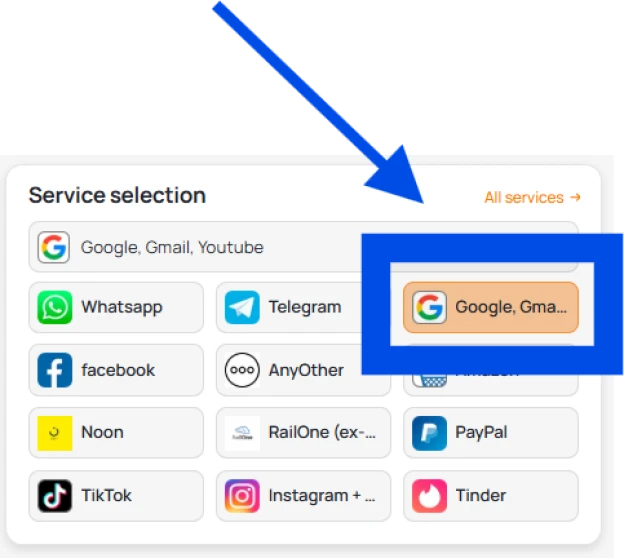
- Select Gmail/Google/Youtube as the service
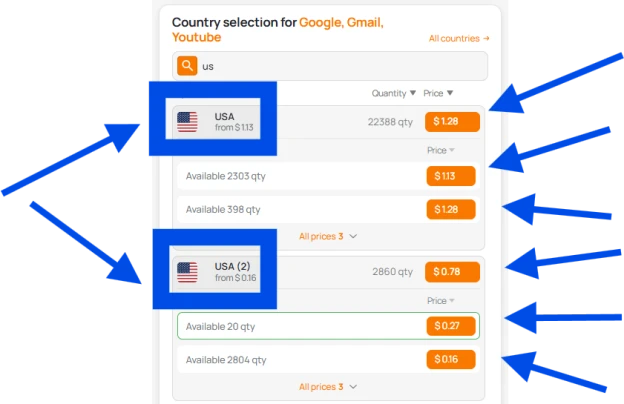
- Choose a suitable mobile operator country (for example, USA)
- Copy the provided phone number
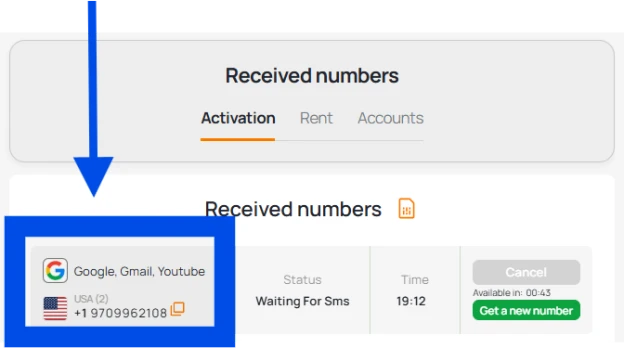
- Enter it during Instagram registration
- Receive the SMS code in your Grizzly SMS dashboard
The process takes just a few minutes and works from anywhere.
Top Reasons to Use a Temp Virtual Number for Instagram
- Instant number activation
- No SIM cards or extra apps
- Strong compatibility with global platforms
- Pay only for actual usage
- Full anonymity
- Clean and easy interface
- Access from any country
Final Thoughts
Geotargeting isn’t going away — and phone numbers play a bigger role in it than most people realize. Knowing how services interpret your number helps avoid unnecessary restrictions and failed registrations.
Virtual phone numbers from Grizzly SMS give you control over how platforms see your location, without exposing personal data. If you deal with international services or simply want fewer surprises during registration, this approach makes the process far more predictable.