






Temp Phone Number vs Virtual SIM: What’s the Difference?
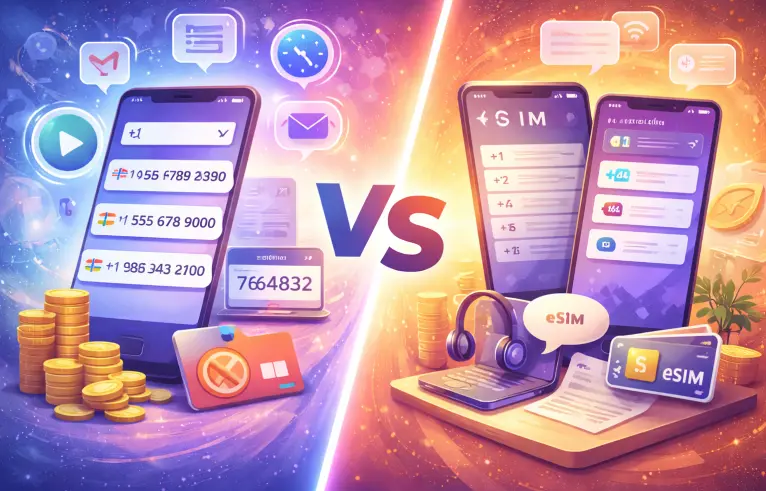
When it comes to online communication, a lot of people think temp phone numbers and virtual SIM numbers are the same thing. Both help you receive messages or stay connected online, but they actually work very differently.
If you are someone who signs up for multiple online services, tests apps, or runs marketing campaigns, you have probably come across both terms. Understanding the difference helps you pick the right tool for your purpose, whether it is quick online verification or long-term digital communication. Let’s break it down in simple terms and also look at the SMS activation differences between them.
What Is a Temp Phone Number?
A temp phone number is a disposable number that you can use for a short period of time, usually just for one-time verifications. You do not need a SIM card or a phone to use it. These numbers work online through simple dashboards or websites.
Imagine you need to verify your account on an app or join a social platform, but you do not want to share your real number. You can use a temp number to receive that OTP and complete the process in seconds. Many users even choose a temporary number for Facebook in India to sign up safely without exposing their personal details. Once you are done, the number expires or becomes inactive.
Various platforms provide instant access to such numbers through online verification tools. You can choose from different countries, receive the code instantly, and protect your privacy without any long-term commitment. It is quick, cheap, and safe.
What Is a Virtual SIM Number?
A virtual SIM number is a digital version of a phone number that works just like a normal SIM card, only without the plastic chip. It is set up using software or eSIM technology, and you can use it on your phone, tablet, or computer.
Unlike a temp number, a virtual SIM is meant for continuous use. You can make and receive calls, send messages, and even manage multiple lines at once. Many businesses and remote teams use virtual SIMs to stay reachable in different countries without carrying multiple phones.
You can think of it as having an online SIM plan that runs through the internet instead of a mobile network. It usually comes with a subscription plan and is tied to your account or device.
The Main Differences Between Temp Numbers and Virtual SIMs
Although both help with communication and verification, they are quite different in purpose and setup. Here are the key SMS activation differences between the two:
|
Duration |
Short-term (minutes or hours) |
Long-term (months or years) |
|
Purpose |
One-time online verifications |
Regular calls and messages |
|
Ownership |
Shared or rented per use |
Owned and assigned to one user |
|
Setup |
No SIM or device needed |
Requires app or eSIM setup |
|
Cost |
Pay per message or use |
Subscription-based monthly plan |
|
Privacy |
Completely anonymous |
Linked to your user account |
|
Best For |
OTPs, app testing, and trials |
Business communication and travel |
In short, temp phone numbers are perfect for quick, anonymous verifications, while virtual SIM numbers work best for ongoing use where you need steady communication.
When Should You Use a Temp Phone Number?
If you often sign up for online services, test apps, or handle short-term projects, then a temp phone number is your best choice.
It is ideal for:
- App testing and marketing campaign verification
- Signing up for websites or contests without revealing your personal number
- Creating social media accounts or using trial subscriptions
- Protecting your personal number from spam or leaks
With online verification tools, you can get a temp number instantly and receive your OTPs or test messages without needing any extra setup. It keeps things simple and private.
When Should You Use a Virtual SIM Number?
A virtual SIM number suits you if you need something long-term and consistent.
It is great for:
- Businesses that want a single contact number for customer calls across different regions
- Remote teams handling client communication from various locations
- Travelers who want to avoid roaming charges
- Freelancers or support teams managing multiple phone lines from one dashboard
While virtual SIMs give you more control and reliability, they cost more and require setup through specific apps or eSIM-compatible devices. They are not ideal for quick OTPs or short-term testing.
Which One Should You Choose?
It really depends on what you need. If you only want to receive one-time messages or verify online accounts safely, a temp phone number is the simplest option. It is fast, private, and affordable.
If you need a number you can use daily for calls and messages, then a virtual SIM number is the way to go. It offers a consistent identity for your work or travel needs.
Some businesses even use both — temp numbers for testing and verification, and virtual SIMs for regular customer communication. Both help improve security, flexibility, and convenience, depending on your use case.
Convenience, Cost, and Control
At Grizzly SMS, we believe privacy and convenience should never feel complicated. Both temp phone numbers and virtual SIM numbers have their own value, but they solve different problems. If you just need to verify an account, test an app, or run a quick online check, a temp phone number is the easier and more affordable choice.
That is exactly what we offer — instant access to thousands of secure numbers across different countries. You can pick one, get your code in seconds, and complete any online verification without exposing your real number.
And if your business ever needs long-term communication or region-specific testing, you can still combine virtual SIM numbers with our temp India number solutions to get the best of both worlds. With Grizzly SMS, staying connected and safe online is always simple, fast, and in your control.